
.jpg)
Latin America does everything on a super large scale and wildlife encounters are no exception. Read on for our top five destinations in Central & South America which offer amazing experiences with the natural world...
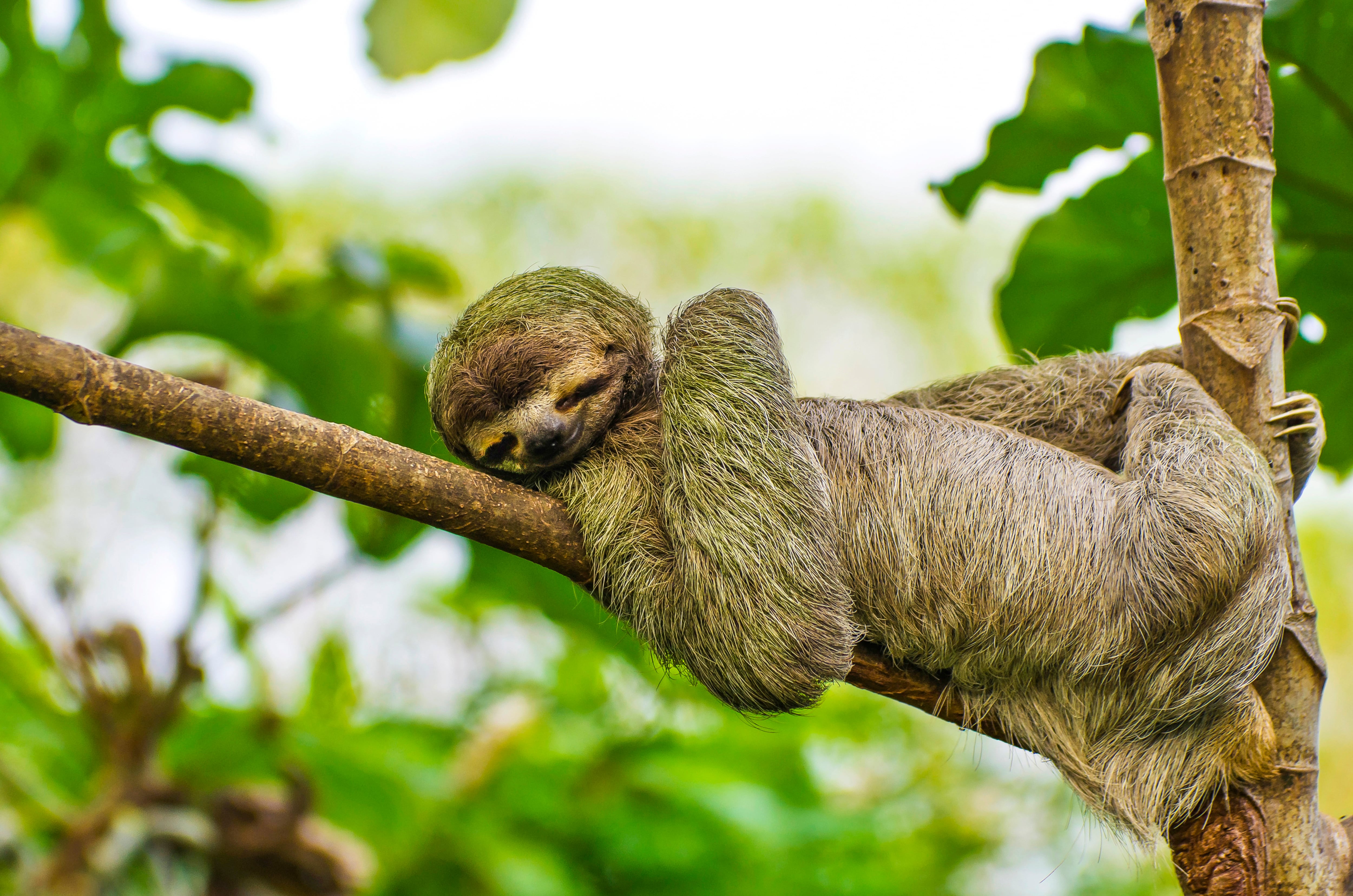
For wildlife fans, top of your list has to be Costa Rica! With almost 30 national parks, the wildlife viewing is unbeatable. Check out wonderfully slow sloths (it takes them about a month to travel one mile!), to birds of every imaginable colour, monkeys, snakes and treefrogs. Head to the popular Manuel Antonio National Park or get more off the beaten path in Drake Bay for access to the marine life-rich waters surrounding Caño Island and the pristine Corcovado National Park (described as one of the most biologically intense places on earth).
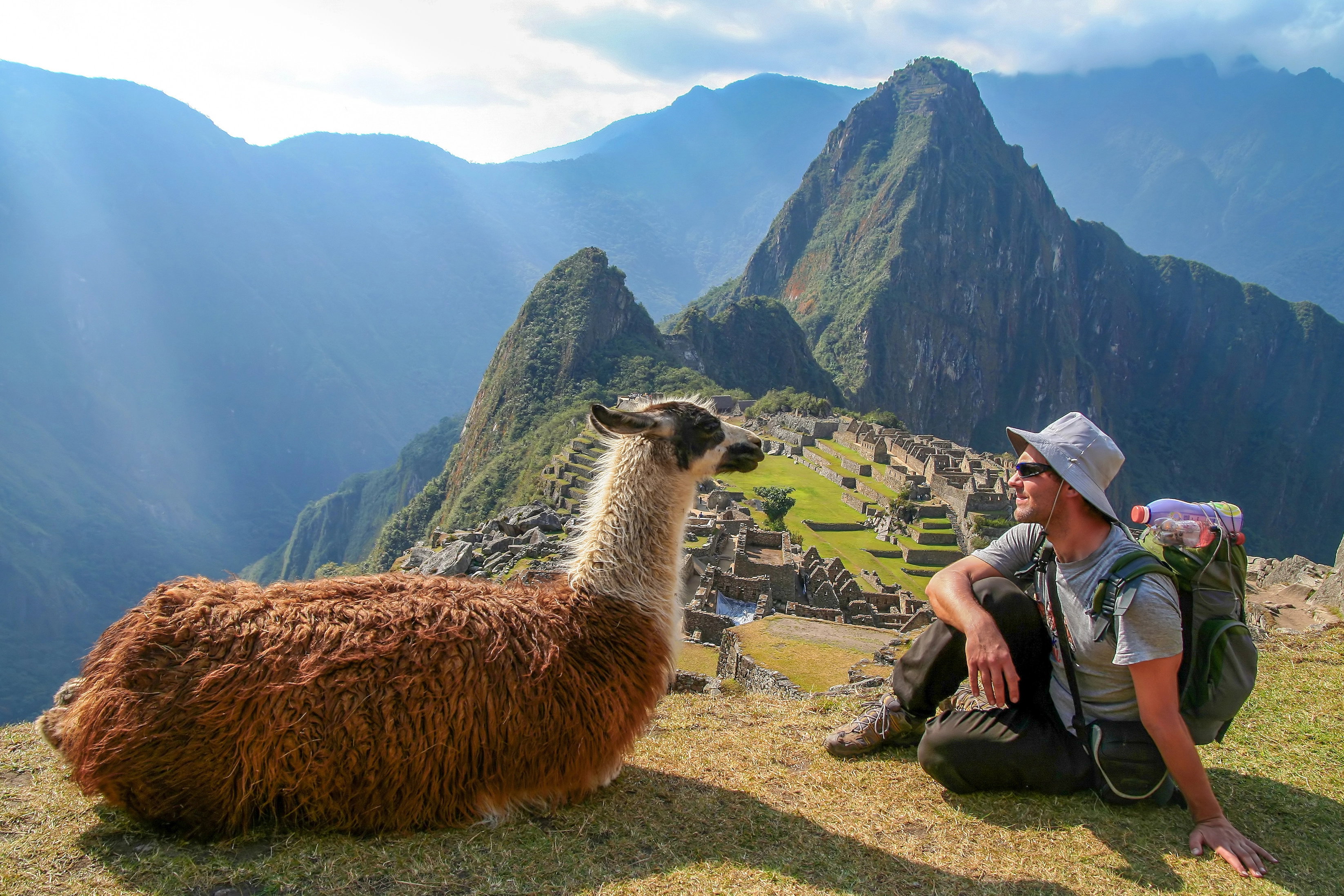
If you can’t tell the difference between a llama and an alpaca then you need to get yourself down to Peru! Unless you wander around with your eyes closed it will be difficult to miss these iconic animals, spot them roaming about in the Andes or grazing on the grass at Machu Picchu – they make for a classic selfie!
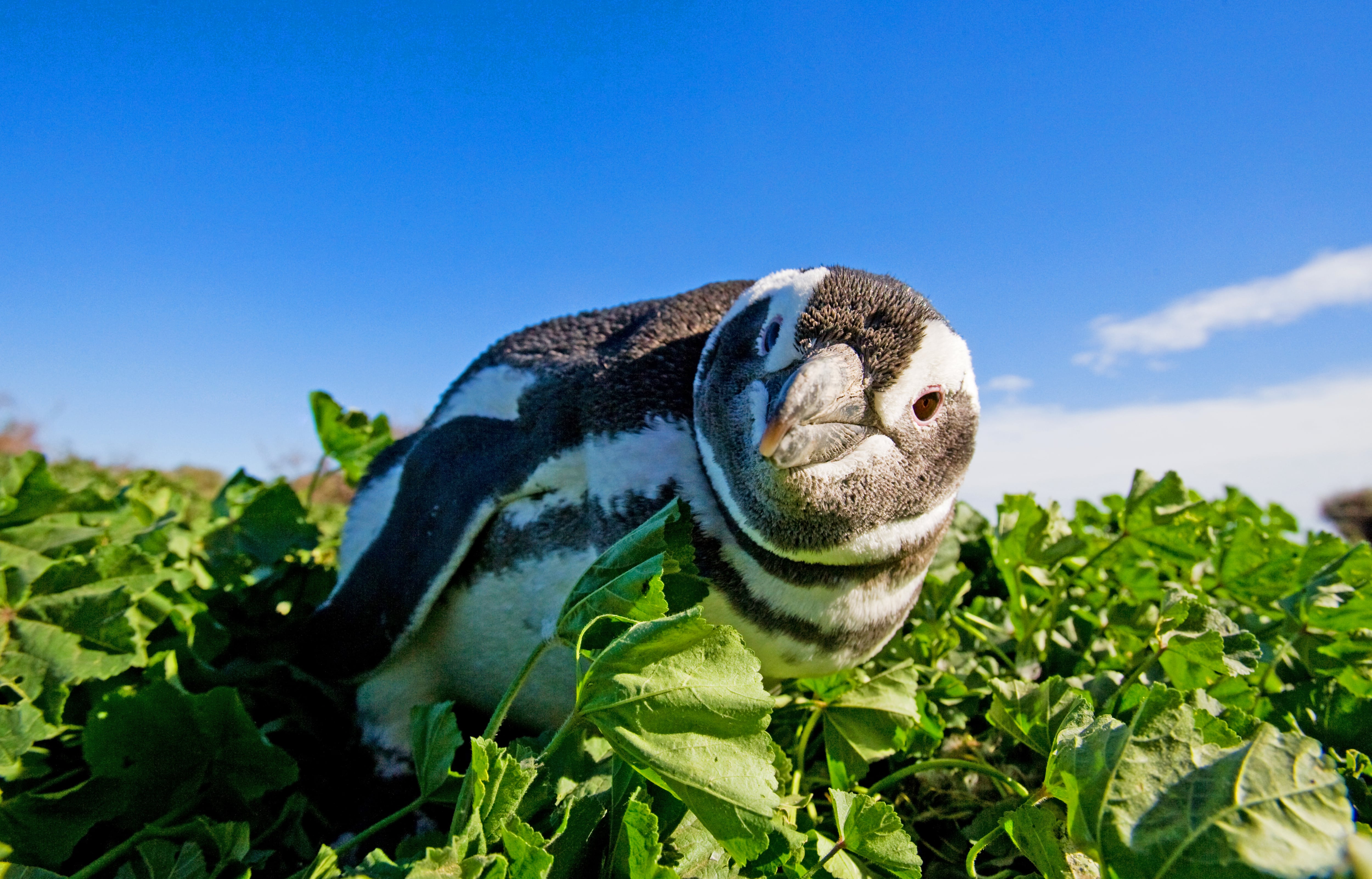
The ultimate wildlife destination is Ecuador’s Galápagos Islands. Nowhere else on earth will you be able to get close to such unique and nonchalant wildlife. Witness the dance of the blue-footed boobies, pick a path around sunbathing iguanas, see dive-bombing penguins and swim with curious sealions.
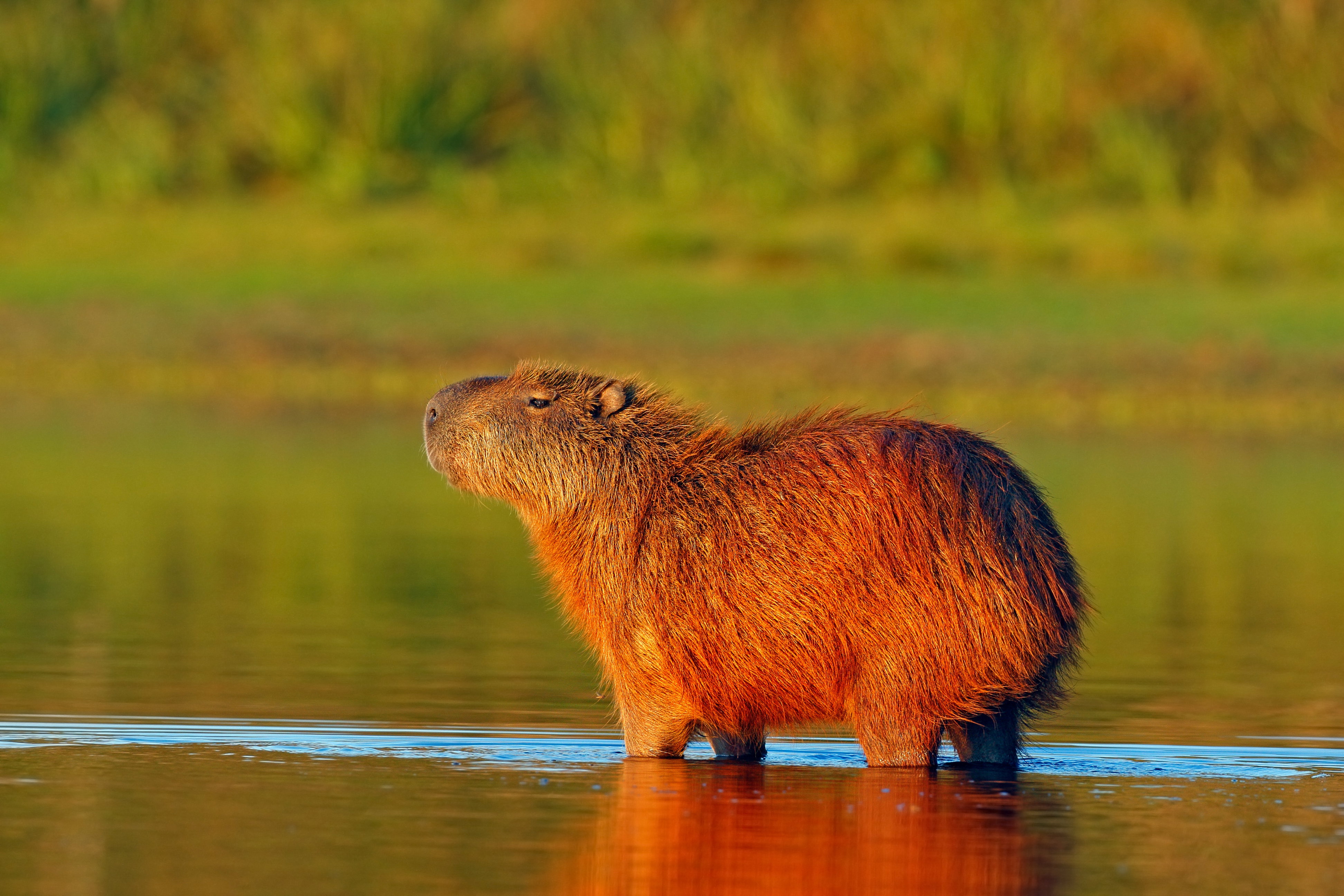
The Pantanal is Brazil’s premier wildlife destination where it’s possible to view jaguars lazing in the sun or families of cute capybaras wading through the water. The other wildlife hotspot in Brazil is of course the wow-inducing Amazon Rainforest – although the thick forest does make it more difficult to see wildlife compared with the open plains of the Pantanal.
Wildlife isn’t the first thing you’d think of when planning a trip to Chile’s incredible Torres del Paine National Park, but it is home to the largest population of wild pumas in the world. Although the chance of seeing these big cats is small, you are likely to spot guanacos (a cousin of the llama) and Andean condors.

/michellt/$FILE/michellt-lg.jpg)
Michelle Tachon
Senior Procurement Manager
Michelle is a Senior Procurement Manager for Central & South America in our Product Team in Kensington


©2026 Trailfinders Ltd. | Reg No. 1004502 | Terms Of Use | Privacy Policy