
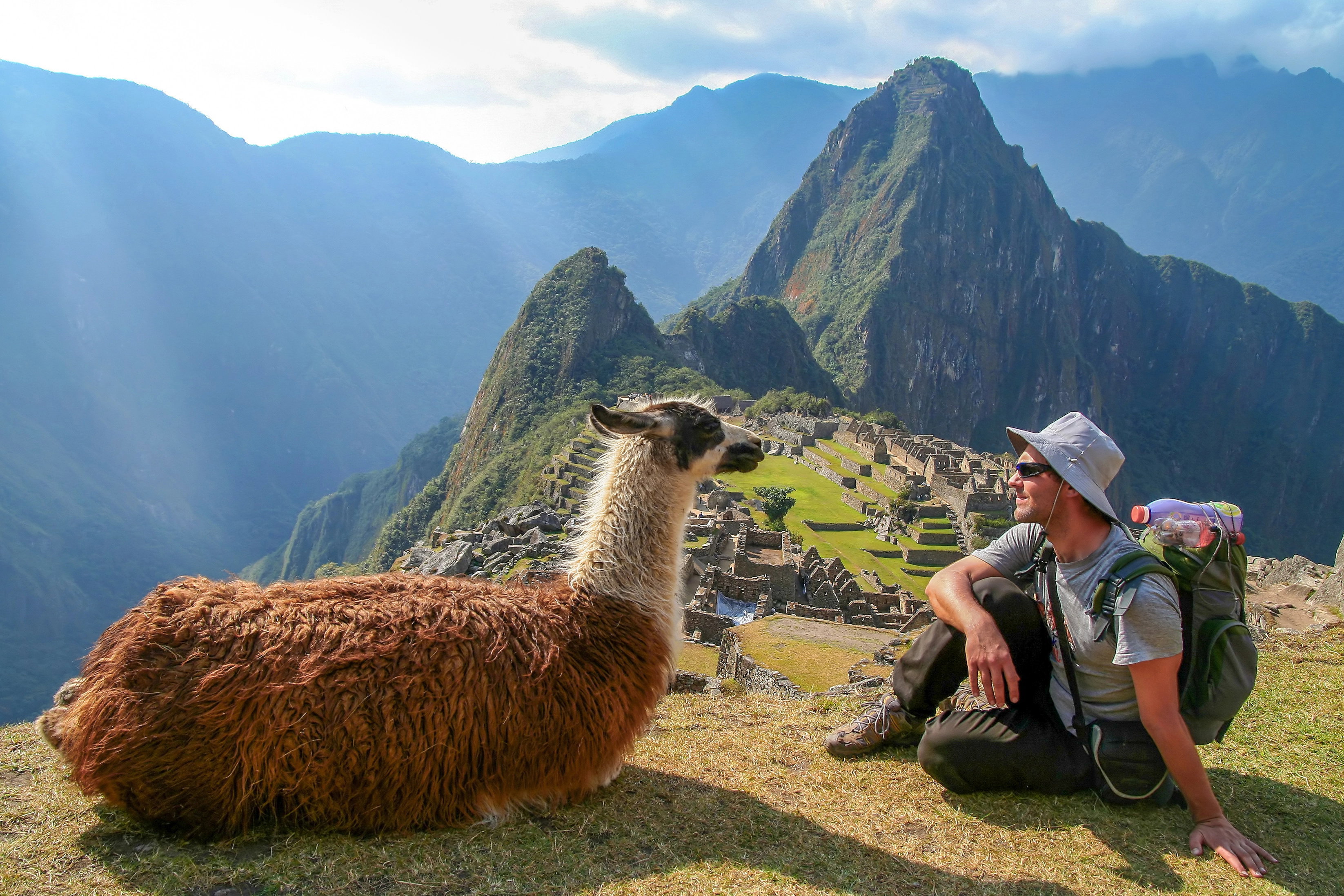
Saving money by booking your flights on a Tuesday is one of the many travel planning myths you can ignore. But how can you make your backpacking budget last longer? Read on for our five top tips to reduce unnecessary expenses whilst backpacking, both before departure and during your travels…
Working and volunteering abroad is the best way to stretch your budget. Whether you want to work with wildlife, volunteer as a receptionist at hostels or teach in schools – there’s something for everyone!
Stopping in one place allows you to rest from all your travelling, indulge in local culture, meet people and save (and earn) money. It also looks great on the CV! I’d recommend either pre booking online or ask around whilst travelling by messaging companies and hostels. My top tip would be to do it at one of your favourite destinations, as it can be unpleasant working in a place that you don’t love.
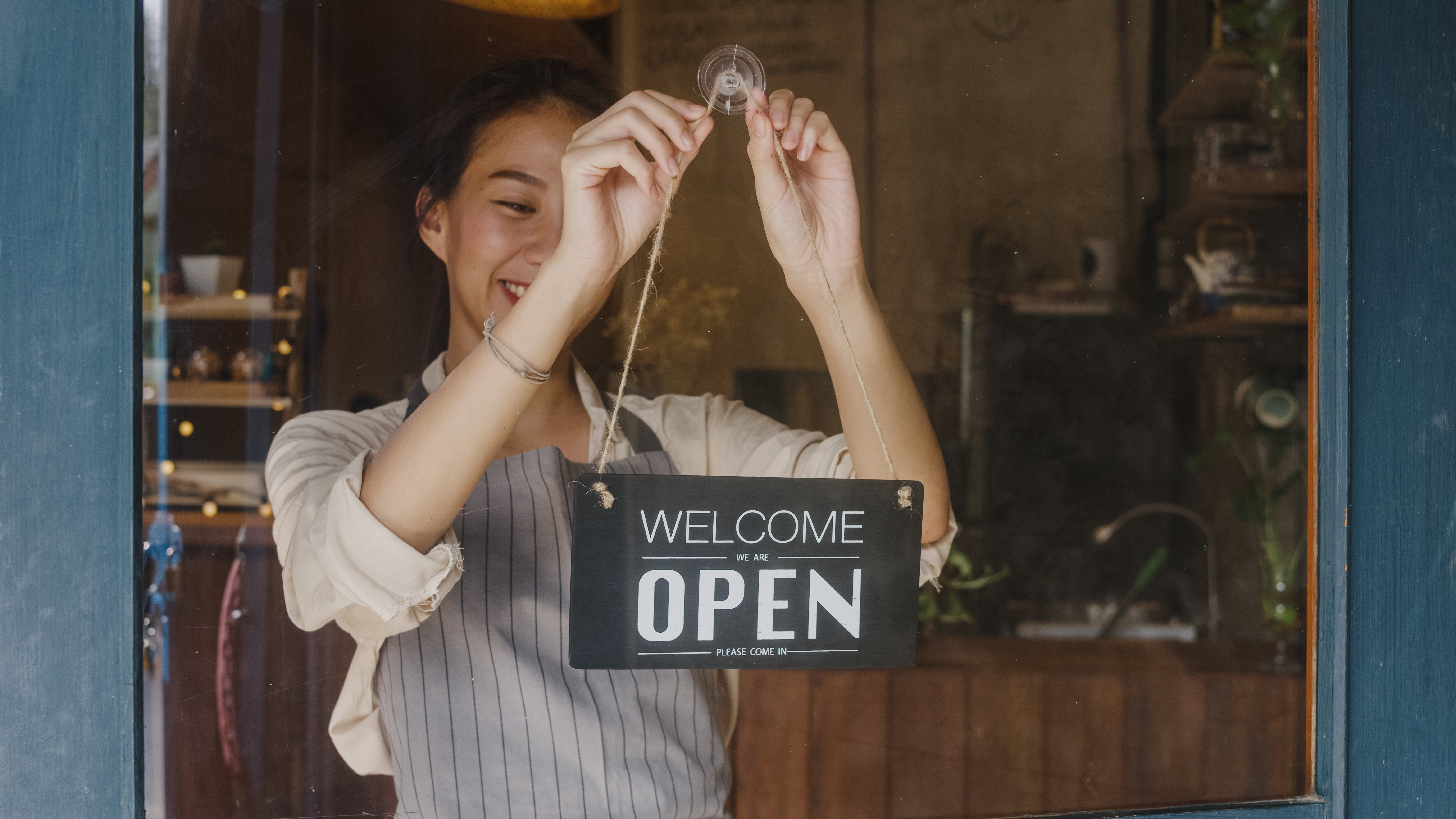
On some airlines, one of the biggest expenses can be paying for checked in luggage. It usually costs around £50 per bag, which can quickly add up when you’re taking a lot of flights. I would recommend taking a medium sized rucksack to fit in your cabin luggage, plus a small bag to fit under your seat. This will save a lot of costs in airlines fees and forces you to pack light – another advantage when backpacking.
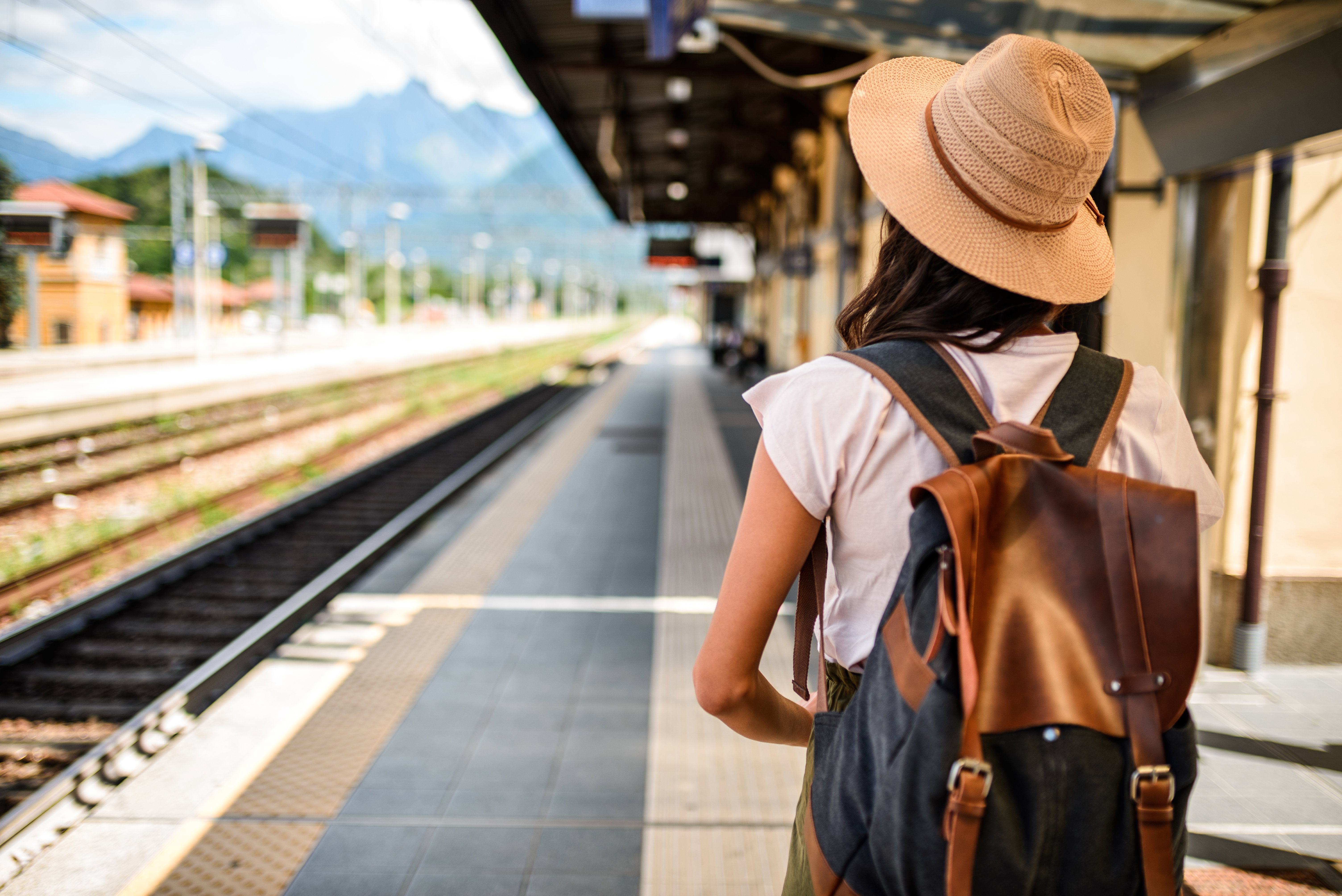
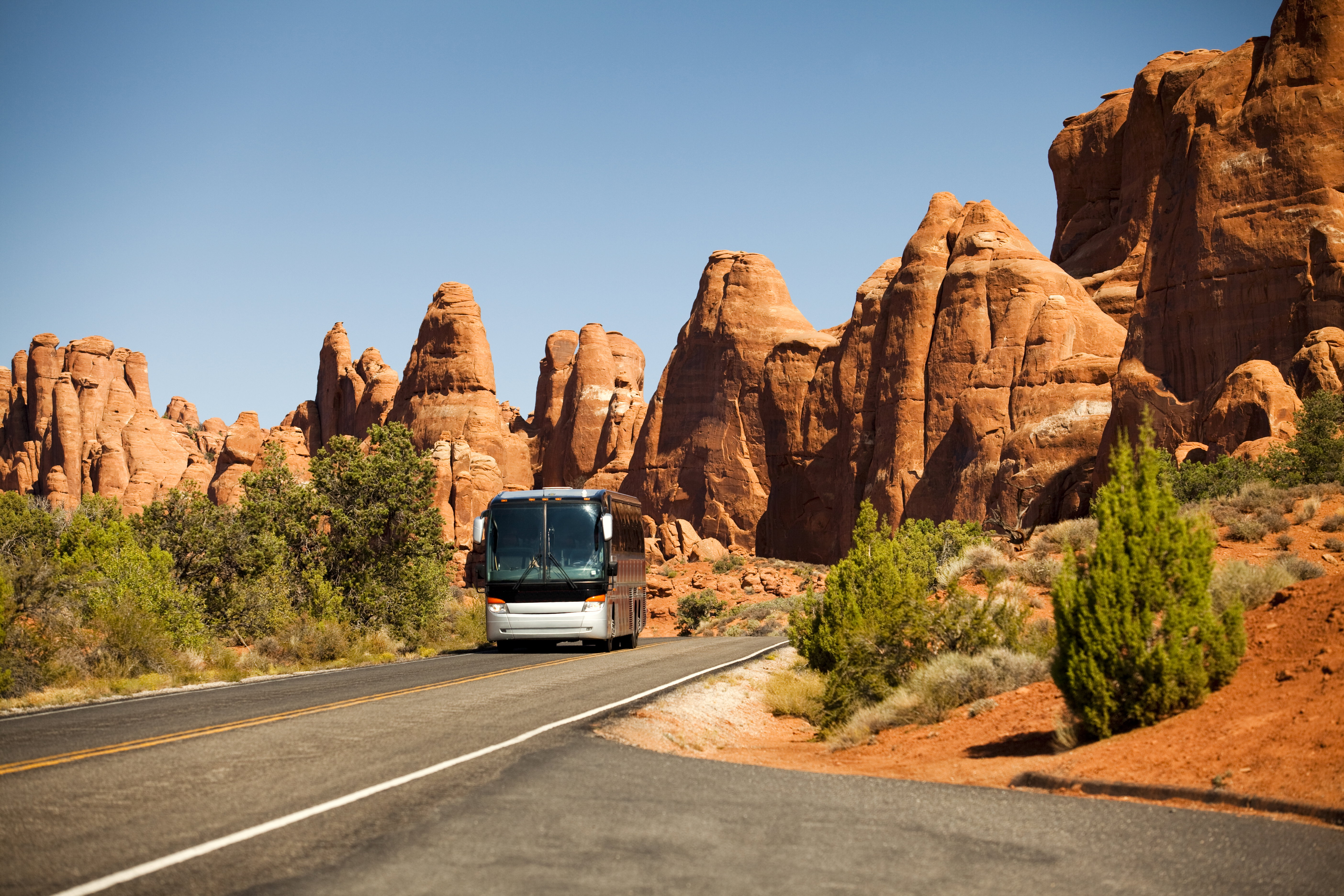
While you’re constantly on the move, transport costs can be expensive and eat away at your budget. I would firstly recommend using local transport, as in some destinations even a taxi from the airport to the city can cost £100 in comparison to a £2 bus. Equally, I would recommend enquiring at hostels or local travel operators; they often have shared transfers so you can at least split the cost if you want an easier, comfier journey.
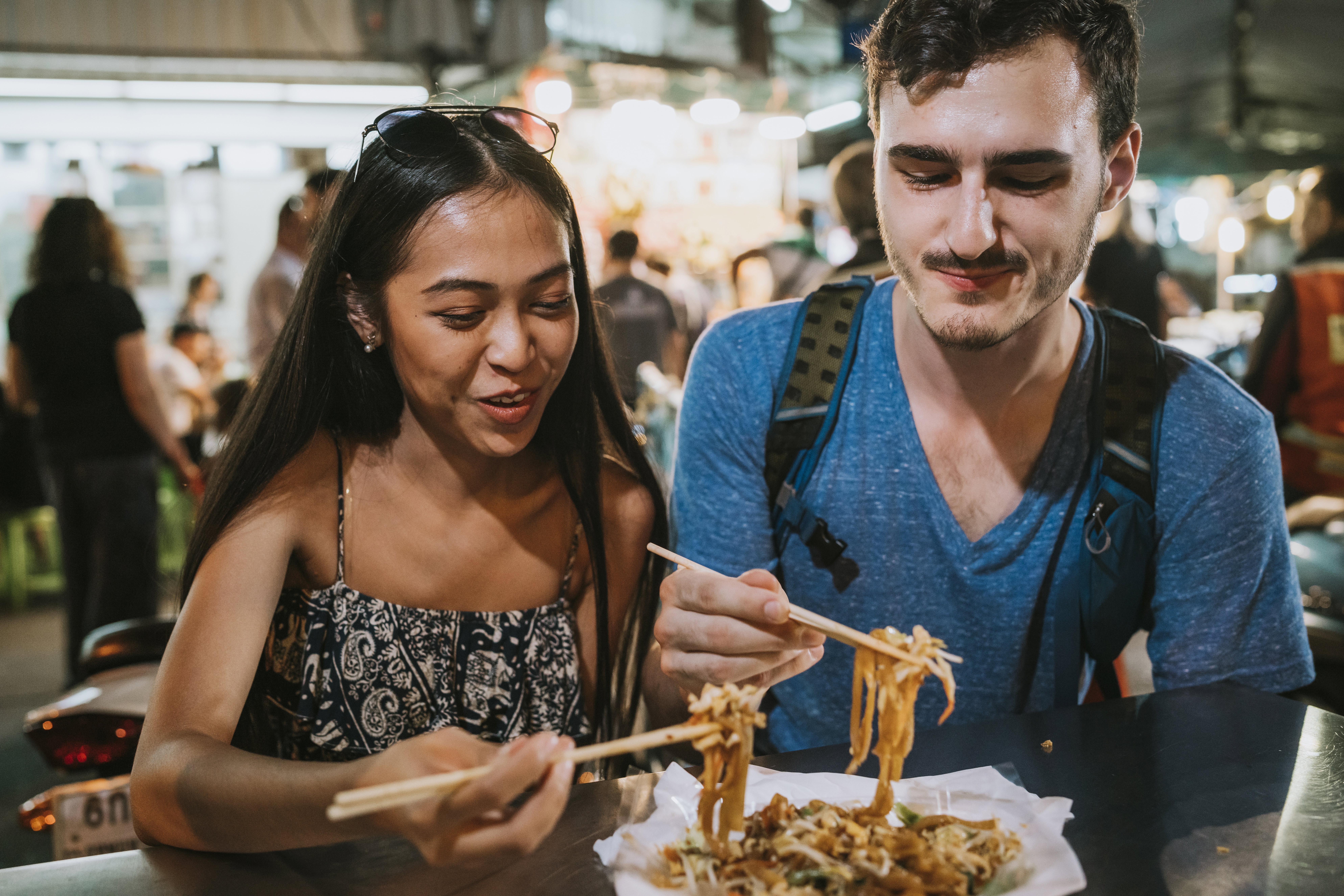
Dining out can be one of the most expensive parts of travelling, and it’s hard to comprehend the amount of money you’ll spend if you’re eating out for every meal. To save on costs, I’d recommend dining on street food - it’s often cheaper than a restaurant and better quality. When it comes to food safety, I would advise proceeding cautiously, but they are usually just as safe as restaurants; food stalls that are popular with locals are usually a good indication of quality.
Alternatively, cooking your own meals in hostels and apartments is another way of saving on food bills.
The price of local tours is something that is rarely accounted for when discussing travel budgets; it’s an expense that can be high and hard to avoid. Activities such as snorkelling, city tours, cooking classes and hikes are unmissable, but can cost a lot when booked incorrectly. I would recommend booking tours through hostels, as they are generally reliable and you know you are getting a competitive price.
You could also consider joining free walking tours and pre booking certain trips and activities before you go.
.jpg "Group of Young Asian woman friends sitting on the boat passing island beach, Thailand")
/davito/$FILE/davito-lg.jpg)
David Tomlinson
Marketing Executive
David is a Marketing Executive based in our Kensington head office. David has worked at TF since 2022 and has travelled to 39 countries. His favourite destinations include Vietnam, Nicaragua and South Africa.


©2026 Trailfinders Ltd. | Reg No. 1004502 | Terms Of Use | Privacy Policy